
Living With Invisalign® Clear Aligners: A Practical Guide
What a normal day looks like, and the habits that keep treatment on track
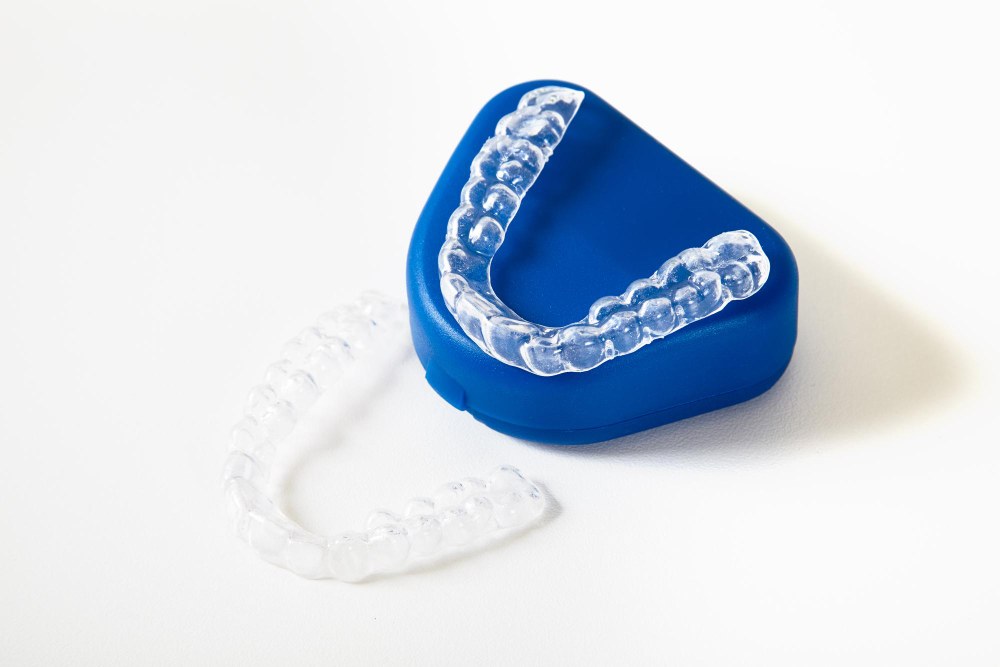
Clear aligners straighten teeth without brackets or wires, but they only work while you're wearing them. Most of what makes treatment go well happens at home, so this guide covers what a normal day with aligners looks like and the habits that help.
How Clear Aligners Work
Invisalign® clear aligners are a series of thin, custom-made plastic trays. Each set moves your teeth a small step, and you move on to the next set every week or two. The whole series is planned from a 3D scan of your teeth, and most cases run about 6 to 18 months, depending on how much the teeth need to move.
What They Can Treat
- Crowded teeth
- Gaps between teeth
- Some overbites, underbites and crossbites
- Teeth that have moved back after braces
More complex bite problems may need a different approach, and we'll tell you honestly if that applies to you. See Invisalign® clear aligners for what they correct and how treatment runs.
Is It Right for You?
- You can commit to the wear time. Aligners in your pocket don't move teeth.
- Your teeth and gums are healthy first. Cavities and gum disease are treated before aligners start.
- You're an adult or a teen with teeth that have finished coming through.
A Day With Aligners
Eating
Take your aligners out to eat, and put them straight into their case — never in a napkin, which is how most aligners get thrown away. Brush, or at least rinse, before putting them back in, so food isn't trapped against your teeth.
Drinking
Plain water is fine with aligners in. Take them out for anything else: sugary or acidic drinks sit against your teeth under the plastic, coffee and tea can stain the trays, and hot drinks can warp them.
Cleaning the trays
Rinse your aligners whenever you take them out, and clean them gently each day with a soft toothbrush and lukewarm water. Hot water can warp them.
At night
Brush and floss, then put the aligners back in. Night-time wear is a big part of your daily hours.
Switching Sets and Check-Ins
Each new set feels snug for a day or two. Many people switch at bedtime, so the first hours of pressure pass while they sleep. You'll come in every several weeks so we can check that your teeth are tracking the plan and give you your next sets.
Common Mistakes
- Leaving aligners out for long stretches, which slows treatment
- Wrapping them in a napkin during meals
- Sipping sweet drinks with the aligners in
- Going too long without cleaning them
- Stopping the retainer once treatment ends
After Treatment: Retainers
Once your teeth have moved, a retainer holds them in their new position while the bone and gums around them settle. Without one, teeth tend to drift back. We'll explain how often to wear it and how to look after it.
Cost and Insurance
The cost depends on how much your teeth need to move and how long treatment takes. Some dental plans include orthodontic benefits that contribute. We'll check yours and give you a written estimate, and you can read about financing and payment options.
Common Questions
Does Invisalign® treatment hurt?
Most people feel pressure for a day or two each time they start a new set of aligners, which is a sign the teeth are moving. There are no brackets or wires to rub. Over-the-counter pain relief helps if you need it.
How many hours a day do I need to wear the aligners?
About 20 to 22 hours a day. Take them out only to eat, to drink anything other than water, and to brush and floss. Leaving them out for longer slows treatment down.
Will aligners affect how I speak?
Some people have a slight lisp for the first few days while the tongue gets used to the aligners. It usually fades quickly.
What if I lose or break an aligner?
Call us. Depending on where you are in treatment, we may move you on to the next set or arrange a replacement. Keeping your previous set as a backup helps in the meantime.
Do I need a retainer afterwards?
Yes. Teeth tend to drift back toward where they started, so wearing a retainer is part of keeping them where treatment moved them. We'll explain how often to wear it.
Wondering if aligners could work for you?
Book a consultation and we'll look at your teeth and explain your options.

About Dr. Nagarjuna Meesa
Owner & Dentist at Smile Makers of Georgia
Dr. Nagarjuna Meesa is the owner and lead dentist at Smile Makers of Georgia and an Invisalign® provider. A graduate of New York University's College of Dentistry and a member of the Academy of General Dentistry, he provides preventive, restorative, cosmetic and family dentistry in Alpharetta.