
The Complete Guide to Professional Teeth Whitening
What causes discoloration, your options, and how to keep the results
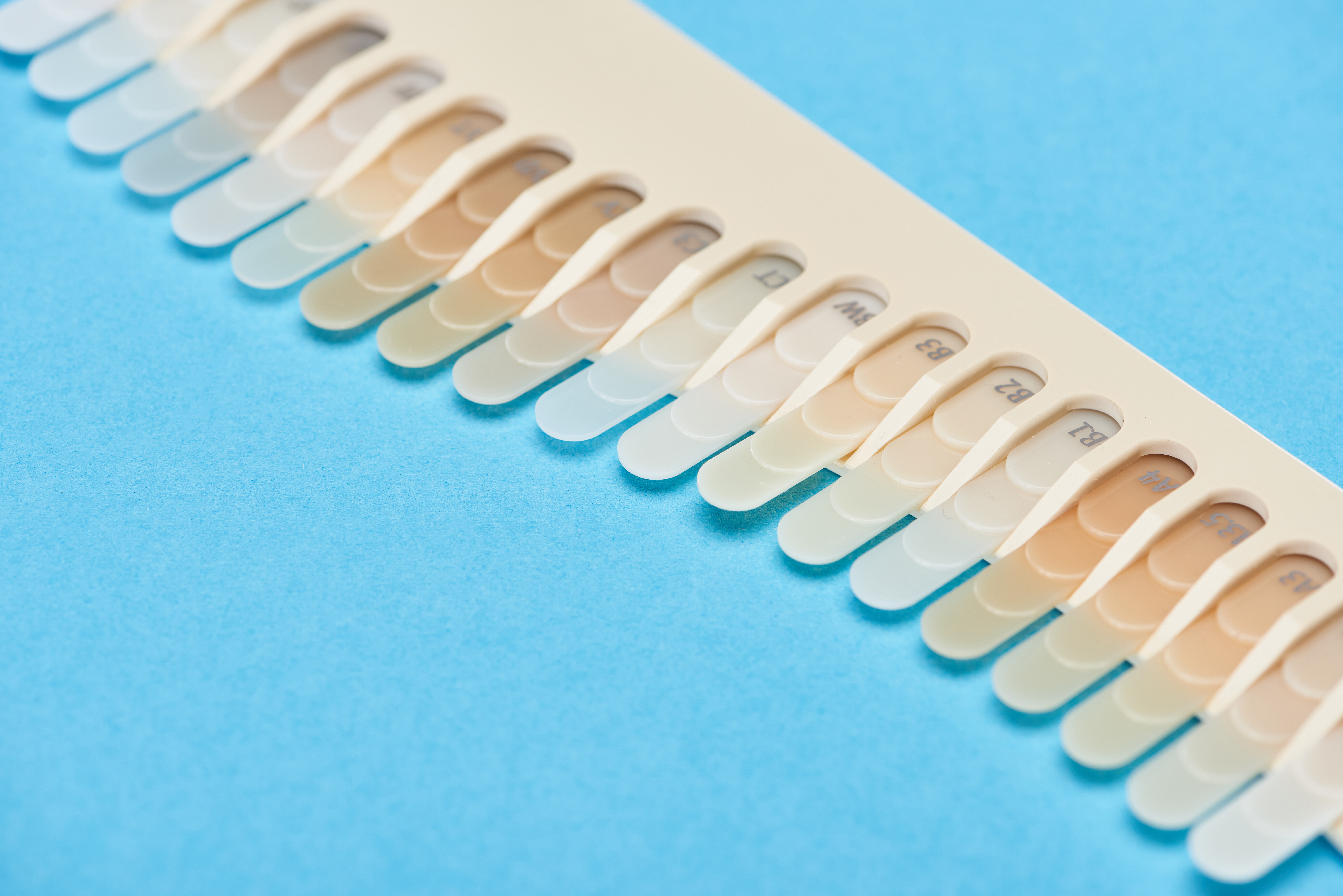
Teeth darken for all sorts of reasons, and whitening works better on some kinds of discoloration than others. This guide explains the causes, how professional whitening compares with products from the store, the two ways we do it, and how to keep your results.
What Causes Discoloration
Surface stains
Coffee, tea, red wine, cola, tobacco and strongly colored foods leave stains on the outer surface of the enamel. These usually respond well to whitening, and a professional cleaning removes some of them too.
Deeper discoloration
With age, enamel thins and the darker layer beneath shows through. Some medicines taken while teeth were forming, and an injury to a tooth, can cause gray or uneven color inside the tooth. Yellowing from age often lightens well; gray discoloration responds less, and bonding or veneers may be a better answer.
Professional vs. Store-Bought Whitening
| Professional whitening | Store-bought products | |
|---|---|---|
| Strength | Professional-strength gel | Lower strength |
| Fit | Custom trays, or applied in the office | One-size strips or trays |
| Gums | Protected during treatment | Gel can reach the gums |
| Checked first | Yes — cause of discoloration, cavities, gum health | No |
| Sensitivity | Strength and schedule adjusted for you | Up to you to manage |
Two Professional Options
In-office whitening
Done in a single appointment. Your gums are protected, and whitening gel is applied to the teeth in rounds. A good choice if you'd like a quicker change, for example before an event.
Take-home trays
We make trays that fit your teeth from a scan or impressions, and you wear them with professional gel at home for a set period each day. Change is more gradual, you control the pace, and the same trays are useful for touch-ups later.
See professional teeth whitening for how we do each.
Before You Whiten
- We examine your teeth to find the cause of the discoloration and check it will respond
- Cavities and gum disease are treated first
- We'll point out any crowns, veneers or fillings that won't change color
- We'll talk through a realistic shade for your teeth
Managing Sensitivity
Sensitivity during or after whitening is common and temporary. If it bothers you, use a toothpaste for sensitive teeth for a couple of weeks before and during treatment, space out take-home sessions, and tell us — we can adjust the strength of the gel.
Keeping Your Results
The first 48 hours
- Avoid dark foods and drinks: coffee, tea, red wine, cola, berries and tomato sauce
- Avoid tobacco
- Rinse with water after anything that might stain
Longer term
- Brush twice a day and clean between your teeth daily
- Use a straw for drinks that stain
- Keep up regular cleanings
- Touch up with take-home trays when we recommend it
Who Should Wait or Choose Something Else
- Anyone pregnant or breastfeeding
- Anyone with untreated cavities or gum disease
- People with very sensitive teeth or worn enamel, until that's assessed
- People whose front teeth are mostly crowns, veneers or large fillings
Common Questions
Does whitening damage enamel?
Professional whitening used as directed doesn't damage healthy enamel. Temporary sensitivity is the most common side effect, and we can adjust the strength or schedule to manage it.
How long do whitening results last?
It depends on what you eat and drink and whether you smoke. Coffee, tea, red wine and tobacco bring stains back sooner. Occasional touch-ups with take-home trays help keep the shade.
Will whitening work on crowns, veneers or fillings?
No. Whitening lightens natural teeth only. If you have restorations on front teeth that show, whiten first, then match any new restorations to the new shade.
Why are my teeth sensitive after whitening?
Whitening gel can make teeth temporarily sensitive, especially to cold. It usually settles within a day or two. A toothpaste for sensitive teeth helps, and we can adjust your treatment.
Can I whiten while pregnant?
As a precaution, whitening is usually postponed until after pregnancy and breastfeeding.
Ready for a brighter smile?
Book a whitening consultation and we'll recommend the option that suits you.

About Dr. Nagarjuna Meesa
Owner & Dentist at Smile Makers of Georgia
Dr. Nagarjuna Meesa is the owner and lead dentist at Smile Makers of Georgia. A graduate of New York University's College of Dentistry and a member of the Academy of General Dentistry, he provides cosmetic, restorative, preventive and family dentistry in Alpharetta.