
5 Ways to Overcome Dental Anxiety
Practical ways to feel calmer at the dentist, and how sedation can help
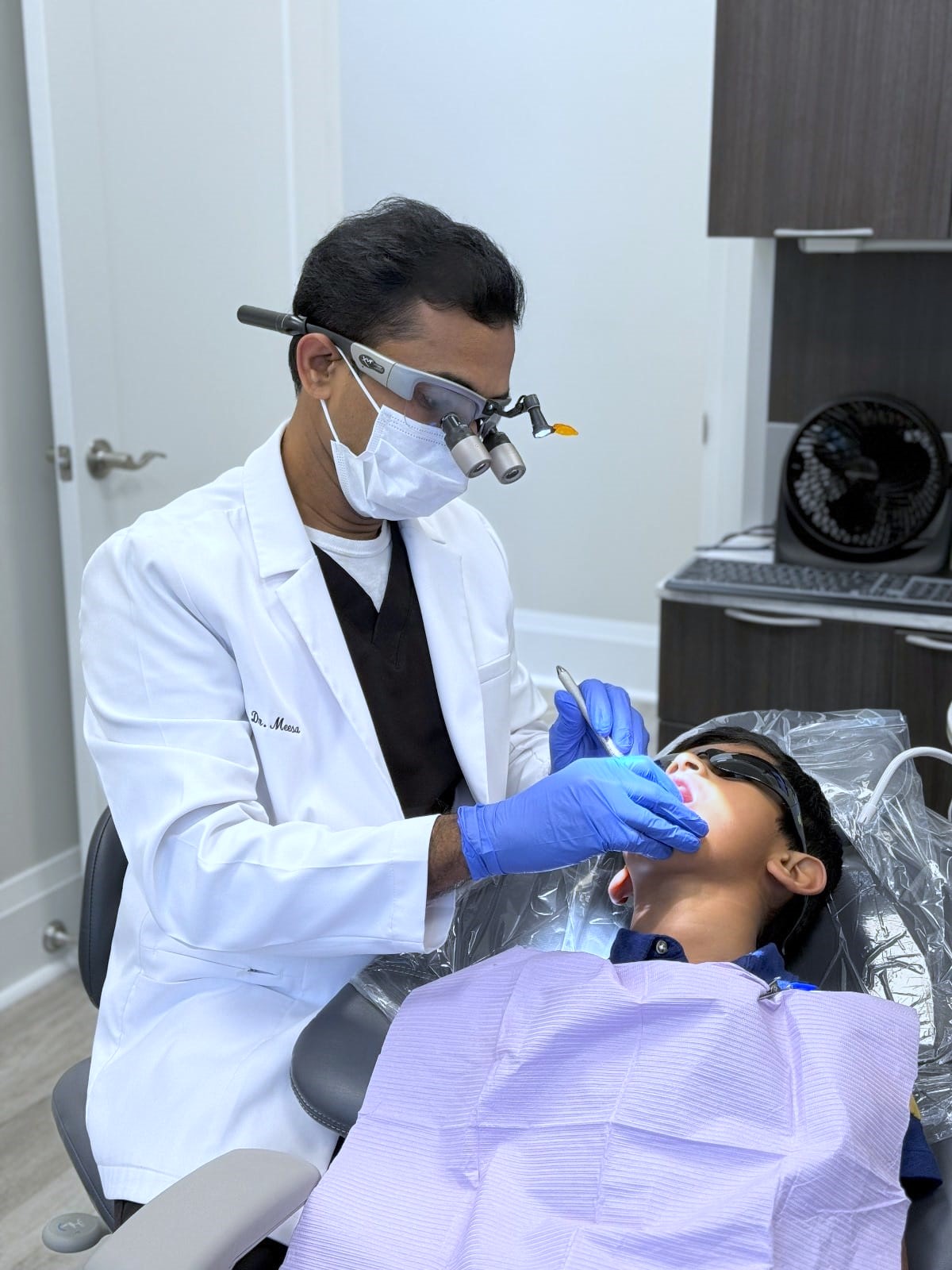
Dental anxiety is common. If you've been putting off the dentist because of fear or past experiences, you're not alone, and you're not being irrational.
At Smile Makers of Georgia we regularly see people who haven't been to a dentist in years because of anxiety. Here are five things that help — from simple steps you can take at your next appointment to sedation, if you need more.
1. Tell Us — Before the Appointment
This is the most important step, and the one many people skip. When you call to book, tell us you feel anxious about dental visits. Then:
- We can book extra time so you don't feel rushed
- We can talk through sedation options before you arrive
- Simply saying it out loud often takes some of the anxiety away
Remind us again when you arrive. We'll check in with you more often, explain each step before we do it, and ask before starting anything new.
2. Agree on a "Stop" Signal
A big part of dental anxiety is feeling out of control — worrying that once treatment starts, you can't stop it. A stop signal gives that control back to you.
Before we begin, we agree on a signal, usually raising your left hand, that means "stop, I need a moment." We'll always pause when you use it. Many people find that knowing they can stop makes them more comfortable, even if they never use it.
3. Use Controlled Breathing
Anxiety sets off the body's fight-or-flight response: quick, shallow breathing, a racing heart and tense muscles. Slow, controlled breathing helps calm that response.
Try the 4-7-8 method during your appointment:
- Breathe in through your nose for 4 seconds
- Hold your breath for 7 seconds
- Breathe out fully through your mouth for 8 seconds
- Repeat 3 or 4 times
During treatment, breathing slowly through your nose keeps you calmer and gives your mind something to focus on.
Distraction helps too
Many patients bring headphones and listen to music, a podcast or an audiobook during treatment. Just let us know, and we'll make it work.
4. Ask About Sedation Dentistry
If anxiety has kept you from care, sedation can make treatment possible. It uses medication to lower your awareness of the appointment while it happens. We offer three levels at Smile Makers of Georgia, and you and the dentist choose the one that suits you and the treatment.
Nitrous oxide
Often called laughing gas, it is breathed in through a small mask over your nose. It takes the edge off within minutes, you stay aware of what's happening, and it wears off quickly once the mask comes off — so you can drive yourself home.
Oral conscious sedation
A prescribed pill taken before your appointment, at the time you're given. It usually takes effect within 30 to 60 minutes. You stay awake and can respond, but feel deeply relaxed, time seems to pass quickly, and many people remember little of the visit afterwards. No needle is needed to give it.
IV sedation
Given through a vein, it works right away and is the deepest of the three: a twilight state in which you're technically awake but likely to remember little or nothing of the appointment.
Whichever you choose, the area being treated is still numbed with local anesthetic. Sedation is about feeling calm; the local anesthetic handles the pain.
Who sedation can help
- People who find dental appointments hard to face
- People with a strong gag reflex
- Long appointments, or several treatments combined into one visit
- People for whom local anesthetic hasn't worked well in the past
- Anyone who has had a difficult dental experience before
Before and after
- We review your medical history and every medication you take before recommending anything. Pregnancy, some breathing conditions and some medicines can rule out a particular option
- You get written instructions ahead of time, including when to stop eating and drinking
- Your breathing, pulse and oxygen levels are monitored throughout
- After oral or IV sedation, someone must drive you home and stay with you for several hours
- Expect to feel drowsy. Rest for the rest of the day, and don't drive, operate machinery or make important decisions
Sedation can be combined with most treatment, from a cleaning to longer restorative work. See sedation dentistry for more.
5. Choose the Right Dental Practice
Practices differ in how they care for anxious patients. Look for one that:
- Welcomes anxious patients openly
- Offers sedation
- Explains each step of treatment
- Never rushes you or dismisses your concerns
- Has a warm, communicative front desk and clinical team
- Has reviews from other patients who were nervous too
At Smile Makers of Georgia, a calm, unhurried visit is central to how we practice. Dental care shouldn't be something you dread.
What Happens When Dental Care Is Put Off
Anxiety is real, and it isn't easy to overcome. It helps to know what tends to happen when dental visits are avoided for a long time:
- Small cavities grow into larger ones that need crowns or root canals
- Gum disease progresses quietly and becomes harder to treat
- Problems that are simplest to treat early, including signs of oral cancer, are found later
- Pain, infection and swelling turn into emergencies, which are far more stressful than a routine visit
This isn't meant to add to your worry. One small step now can save you from much bigger ones later.
Common Questions About Sedation
Will I be asleep during sedation?
No. With nitrous oxide or oral sedation you stay awake and can respond, but feel deeply relaxed. IV sedation is deeper — a twilight state in which you may remember little or nothing of the appointment. General anesthesia, where you are fully asleep, is a hospital procedure and rarely needed for dentistry.
How long does oral sedation last?
The medication usually starts working within 30 to 60 minutes, and its effects can last several hours. Plan to rest for the rest of the day.
Can I drive myself home?
After nitrous oxide alone, yes — it wears off within minutes. After oral or IV sedation, no: someone needs to drive you home and stay with you for several hours.
Can I eat before a sedation appointment?
It depends on the type of sedation. You'll get written instructions before your appointment, including when to stop eating and drinking, and it's important to follow them exactly.
Is sedation right for everyone?
Not always. Before recommending sedation we review your medical history and every medication you take. Pregnancy, some breathing conditions and some medicines can rule out a particular option, and we'll talk through what's suitable for you.
How is my safety looked after during sedation?
The option is chosen around your health history and medicines, and your breathing, pulse and oxygen levels are monitored from the moment sedation begins until you're ready to go home.
We're here to help
Tell us about your anxiety, and we'll find an approach that works for you.
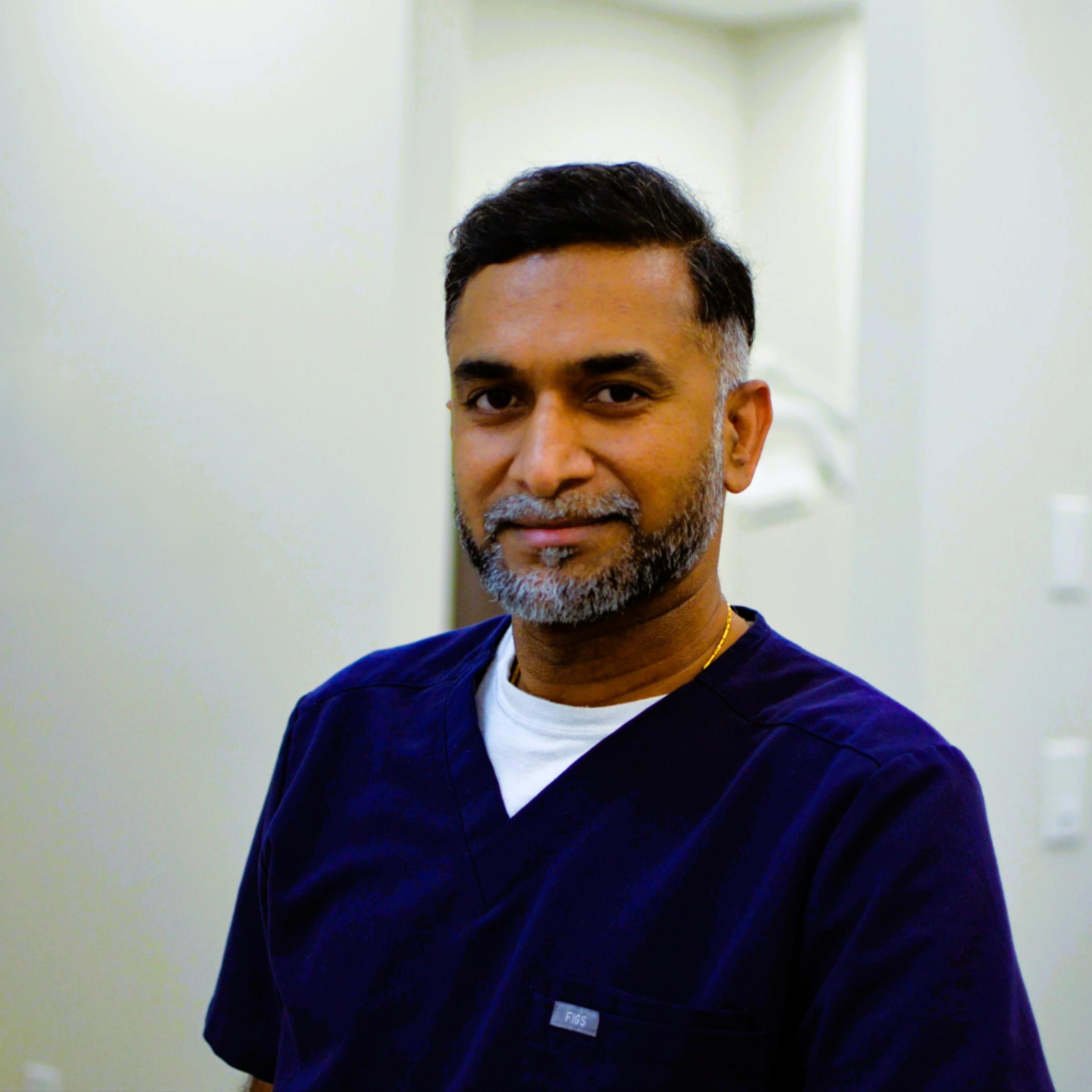
About Dr. Nagarjuna Meesa
Owner & Dentist at Smile Makers of Georgia
Dr. Nagarjuna Meesa is the owner and lead dentist at Smile Makers of Georgia. A graduate of New York University's College of Dentistry and a member of the Academy of General Dentistry, he provides restorative, cosmetic and family dentistry in Alpharetta.