
Sleep Apnea: Signs, Testing and Treatment Options
What happens to your breathing at night, how it's tested for, and where a dentist can help
Sleep apnea is more than loud snoring. Each time breathing stops or becomes very shallow during sleep, the body briefly wakes to restart it — often many times an hour, without the person realizing. This guide covers the signs, how sleep apnea is tested for, and where a dentist fits into treatment.
What Is Obstructive Sleep Apnea?
In obstructive sleep apnea, the most common type, the soft tissues at the back of the throat and the tongue relax during sleep and narrow or block the airway. Breathing pauses (apneas) or becomes shallow (hypopneas), oxygen levels drop, and sleep is broken up again and again.
Central sleep apnea is different: the airway stays open, but the brain doesn't send steady signals to breathe. It is managed by a sleep physician and isn't treated with an oral appliance.
Signs to Watch For
- Loud, regular snoring
- Pauses in breathing, gasping or choking that a partner notices
- Waking with a dry mouth, sore throat or headache
- Feeling unrefreshed after a full night's sleep, or dozing off when you're inactive or driving
- Difficulty concentrating, irritability or low mood
- Waking often during the night to use the bathroom
At a checkup, a dentist may also notice signs such as teeth worn from grinding, a tongue with scalloped edges, or a narrow space at the back of the mouth.
Why It's Worth Treating
Untreated sleep apnea is linked with high blood pressure, heart disease, stroke and type 2 diabetes. The daytime sleepiness it causes also raises the risk of accidents, including on the road.
How Sleep Apnea Is Tested For
- Tell your doctor what you've noticed. They may refer you to a sleep physician
- You have a sleep study, either overnight in a sleep lab or with a home sleep test, which records your breathing, oxygen levels and sleep
- The sleep physician interprets the results and tells you whether you have sleep apnea, which type, and how severe it is: mild, moderate or severe
- Treatment is chosen based on those results
A dentist can't confirm sleep apnea, but if we see signs of it we may suggest you ask your doctor about testing.
Treatment Options
CPAP
A CPAP machine delivers a gentle stream of air through a mask to keep the airway open. It is the standard treatment for moderate to severe sleep apnea and works well when it's used every night — but some people find the mask, the noise or the air pressure hard to live with.
Custom oral appliances
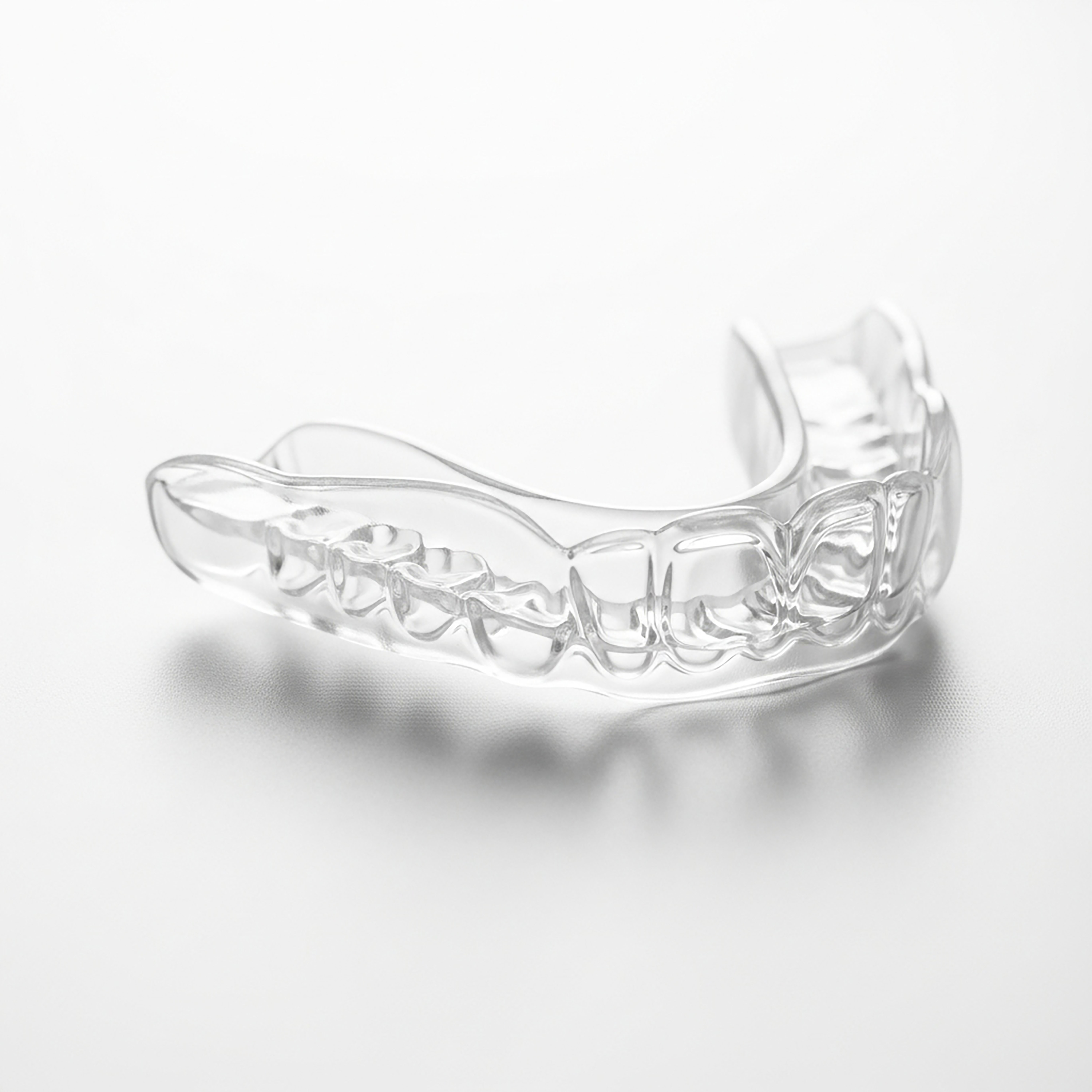
An oral appliance is worn in the mouth during sleep, much like a mouthguard. It holds the lower jaw slightly forward, which helps keep the airway open. It is usually recommended for mild to moderate obstructive sleep apnea, and for people who can't tolerate CPAP. It needs no electricity and is easy to travel with. See sleep apnea oral appliances for how we provide them.
Lifestyle changes
Losing weight where needed, sleeping on your side, avoiding alcohol and sedatives before bed, treating nasal congestion and keeping regular sleep hours can all reduce symptoms, and they help whichever treatment you use.
Other treatments
For some people, a sleep physician may discuss surgery or other medical treatments.
Getting an Oral Appliance: What to Expect
- Sleep study results. A sleep physician confirms sleep apnea and that an oral appliance is appropriate
- Dental exam. We check that your teeth, gums and jaw joints are healthy enough to support an appliance
- Scans or impressions. We record your teeth and bite so the appliance can be made to fit
- Fitting. We fit the appliance and show you how to wear it and look after it
- Adjustment. Over the following weeks we adjust the jaw position until it is comfortable and effective
- Follow-up sleep study. A further test confirms that the appliance is working
- Regular checkups. We check the appliance, your teeth and your jaw over time
Caring for Your Appliance
- Rinse it and brush it gently each morning with a soft toothbrush and cool water — hot water can warp it
- Let it dry and keep it in its case, out of reach of pets
- Bring it to your checkups
- Don't try to adjust it yourself
Common Questions
Can a dentist test for sleep apnea?
No. Sleep apnea is confirmed with a sleep study, which a sleep physician orders and interprets. A dentist may notice signs at a checkup and suggest you ask your doctor about testing. Once a sleep physician has confirmed it, we can make an oral appliance if one is recommended for you.
Is snoring the same as sleep apnea?
Not always. Many people snore without having sleep apnea. Snoring together with pauses in breathing, gasping or choking, or daytime sleepiness is a reason to talk to your doctor about a sleep study.
Who is an oral appliance suitable for?
Oral appliances are usually recommended for mild to moderate obstructive sleep apnea, and for people with more severe sleep apnea who can't tolerate CPAP. Your sleep physician and your dentist decide together, and you need enough healthy teeth to hold the appliance in place.
Will insurance cover an oral appliance?
An oral appliance for sleep apnea is usually billed to medical insurance rather than dental insurance, and a sleep study confirming sleep apnea is normally required. Coverage varies from plan to plan, so we'll help you check yours.
Are there side effects?
When you start wearing an appliance you may notice some jaw or tooth soreness, extra saliva or a dry mouth, which usually ease as you get used to it. Over time an appliance can change how your teeth meet, which is one reason for regular follow-up visits.
Found to have sleep apnea, or struggling with CPAP?
Book a consultation to find out whether an oral appliance could work for you.
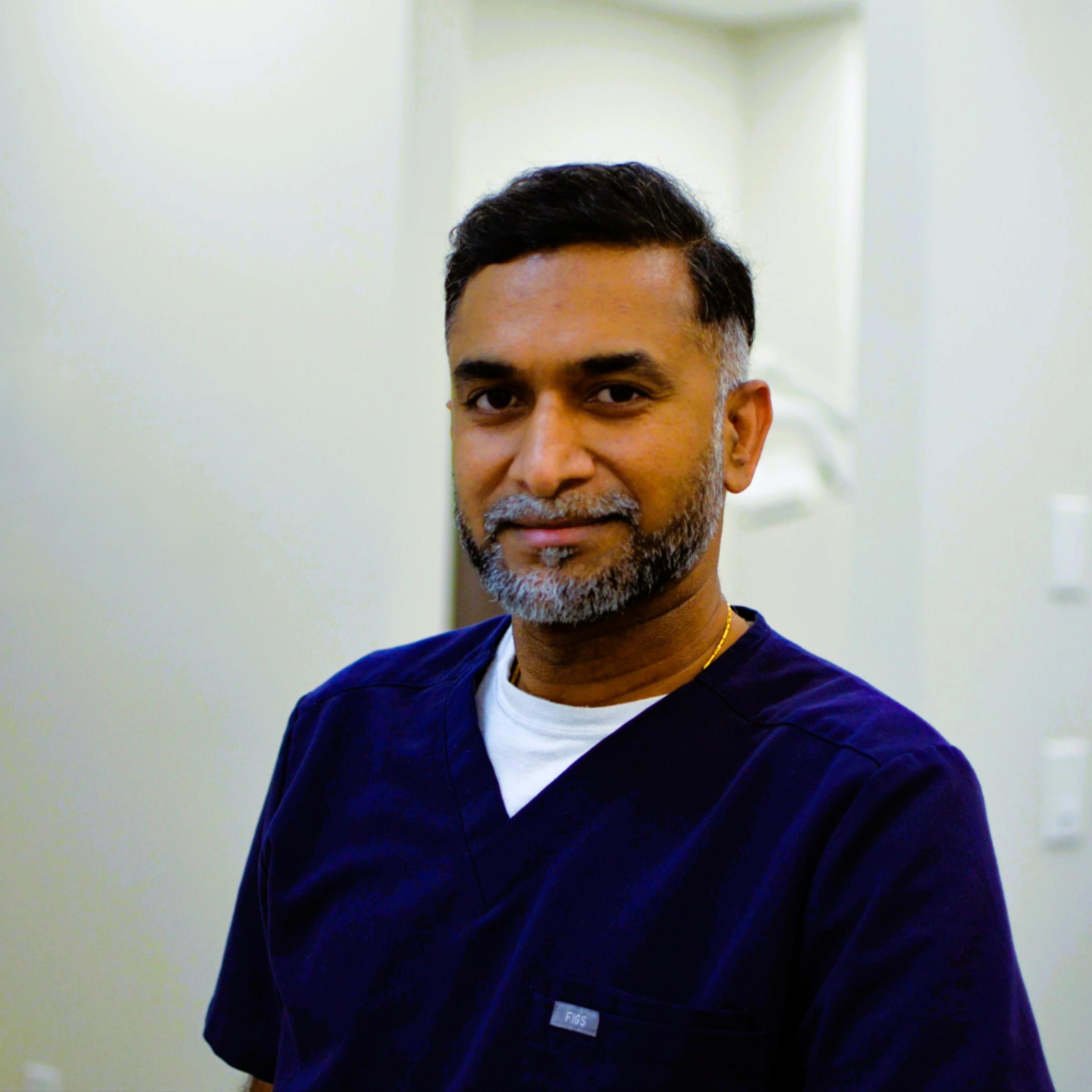
About Dr. Nagarjuna Meesa
Owner & Dentist at Smile Makers of Georgia
Dr. Nagarjuna Meesa is the owner and lead dentist at Smile Makers of Georgia. A graduate of New York University's College of Dentistry and a member of the Academy of General Dentistry, he provides restorative, cosmetic and family dentistry in Alpharetta.