
Replacing Missing Teeth: Implants, Bridges and Dentures Compared
What each option is, what it suits, and what it asks of you
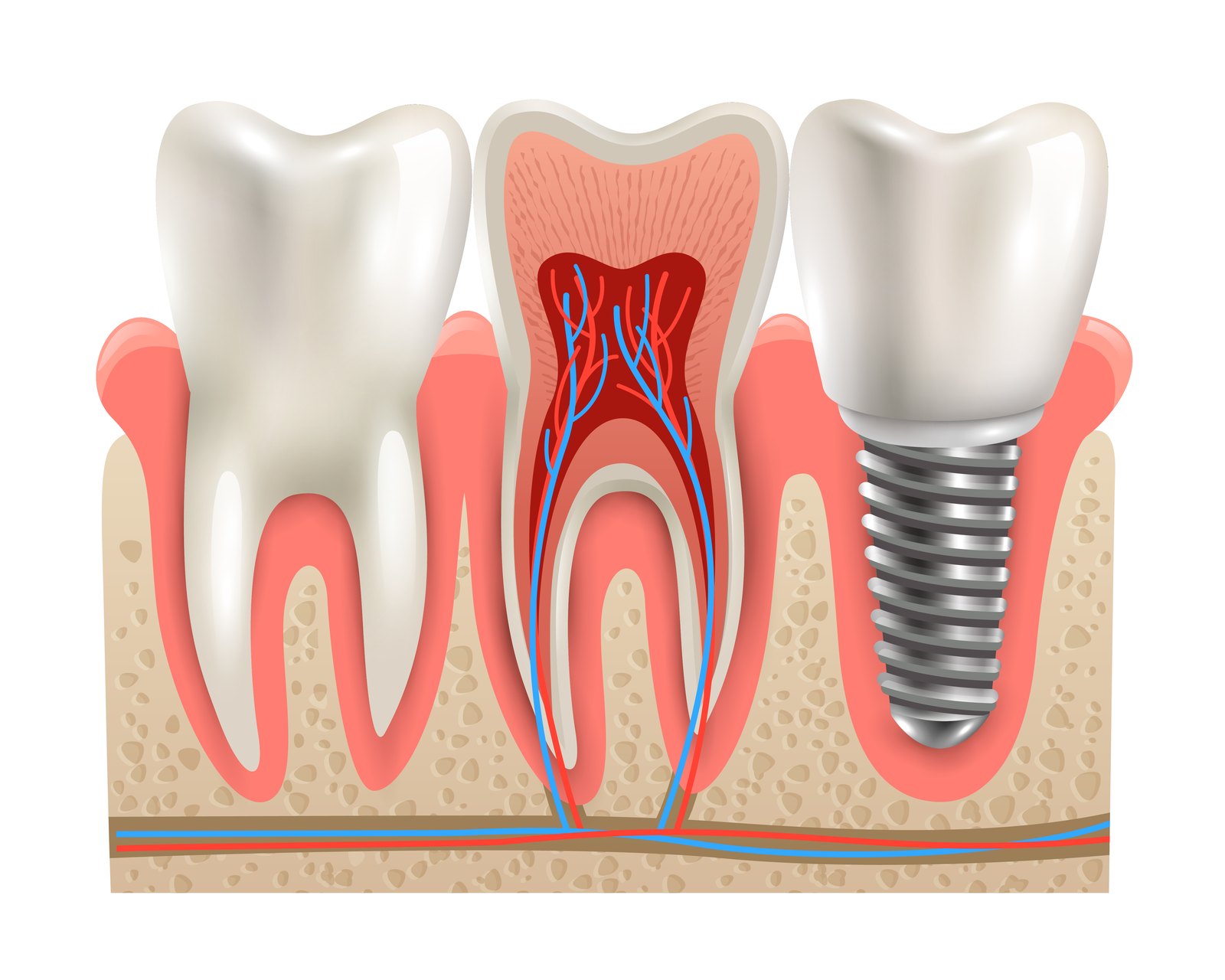
There is no single best way to replace a missing tooth. The right choice depends on how many teeth are missing and where, the health of your gums and jawbone, and what you want day to day. This guide sets out the options side by side.
What Happens When a Tooth Is Missing
- The teeth either side can tilt into the gap, and the opposing tooth can drift toward it
- Your bite can change, which can strain the jaw and wear other teeth
- The bone that held the root slowly shrinks
- Chewing and, for front teeth, speaking can become harder
The Options
Dental implant
A titanium post in the jawbone replaces the root, and a crown on top replaces the tooth. It is fixed, leaves the neighboring teeth alone, and keeps the bone under the gap in use. It needs surgery and several months of healing, and enough healthy bone. Are dental implants right for you?
Implant-supported bridge
When several teeth in a row are missing, two implants can hold a bridge of three or more teeth. Fixed like an implant, without needing one implant per tooth.
Traditional bridge
The teeth either side of the gap are shaped to hold crowns, which carry a replacement tooth between them. It is fixed and usually finished within a few weeks, without surgery. The trade-off is reshaping those neighboring teeth, and cleaning under the bridge with a floss threader. Dental bridges
Partial denture
A removable plate carries replacement teeth and clips to your remaining teeth. It can replace several teeth in different parts of the mouth, needs no surgery, and is quick to make. You take it out to clean, and it can need adjusting over time. Partial dentures
Full denture
When all the teeth in an arch are missing, a full denture replaces them and rests on the gums. It needs no surgery. It can loosen as the gums and bone change, and may need relining. Full dentures
Implant-supported denture
A denture that snaps onto a few implants, or a full-arch bridge fixed to them. Much steadier than a denture resting on the gums, but it needs implant surgery. Replacing a full arch of teeth compares these in detail.
Side by Side
| Option | Fixed or removable | Other teeth | Surgery | Time to finish |
|---|---|---|---|---|
| Implant | Fixed | Untouched | Yes | Several months |
| Implant bridge | Fixed | Untouched | Yes | Several months |
| Traditional bridge | Fixed | Shaped for crowns | No | A few weeks |
| Partial denture | Removable | Clasps rest on them | No | A few weeks |
| Full denture | Removable | None remaining | No | A few weeks |
| Implant denture | Snap-on or fixed | None remaining | Yes | Several months |
Times are typical ranges, not promises: extractions, bone grafts and healing all vary from person to person.
How to Choose
- How many teeth, and where. One gap, a row, or teeth missing in several places point to different options.
- Your gums and bone. Implants need healthy gums and enough bone, or a graft first.
- Your health. Some conditions and medicines affect healing after surgery.
- What you want day to day. Fixed or removable, and how much maintenance you're comfortable with.
- Time and budget. Written estimates for each option let you compare properly.
What Happens at a Consultation
We review your dental and medical history, examine your mouth, and take X-rays — and a 3D (CBCT) scan if implants are a possibility. Then we go through the options that genuinely fit, with the time and cost of each, so you can decide without pressure.
Common Questions
For one missing tooth, is an implant or a bridge better?
It depends on the teeth either side. If they are healthy, an implant leaves them untouched. If they already have large fillings or need crowns anyway, a bridge can make sense. Bone, gum health and how long you're prepared to wait also matter, and we'll go through them with you.
Which option involves the least treatment?
A removable partial or full denture needs no surgery and no reshaping of other teeth, and is usually the quickest to make. The trade-off is that it is removable and can need adjusting as your gums and bone change.
Can I start with a denture and move to implants later?
Often, yes. Many people wear a denture first and have implants placed later, and some existing dentures can be adapted to snap onto implants. Bone levels change over time, so it's worth discussing sooner rather than later.
Does insurance help with replacing teeth?
Many plans contribute toward bridges and dentures, and some toward parts of implant treatment. We'll check your benefits and give you a written estimate for each option before you decide.
Not sure which option fits?
Book a consultation and we'll compare them for your mouth, with written estimates.

About Dr. Nagarjuna Meesa
Owner & Dentist at Smile Makers of Georgia
Dr. Nagarjuna Meesa is the owner and lead dentist at Smile Makers of Georgia. A graduate of New York University's College of Dentistry and a member of the Academy of General Dentistry, he provides restorative, cosmetic and family dentistry in Alpharetta.