
Tooth Extraction and Oral Surgery: What to Expect
When a tooth has to come out, what happens on the day, and how to heal well
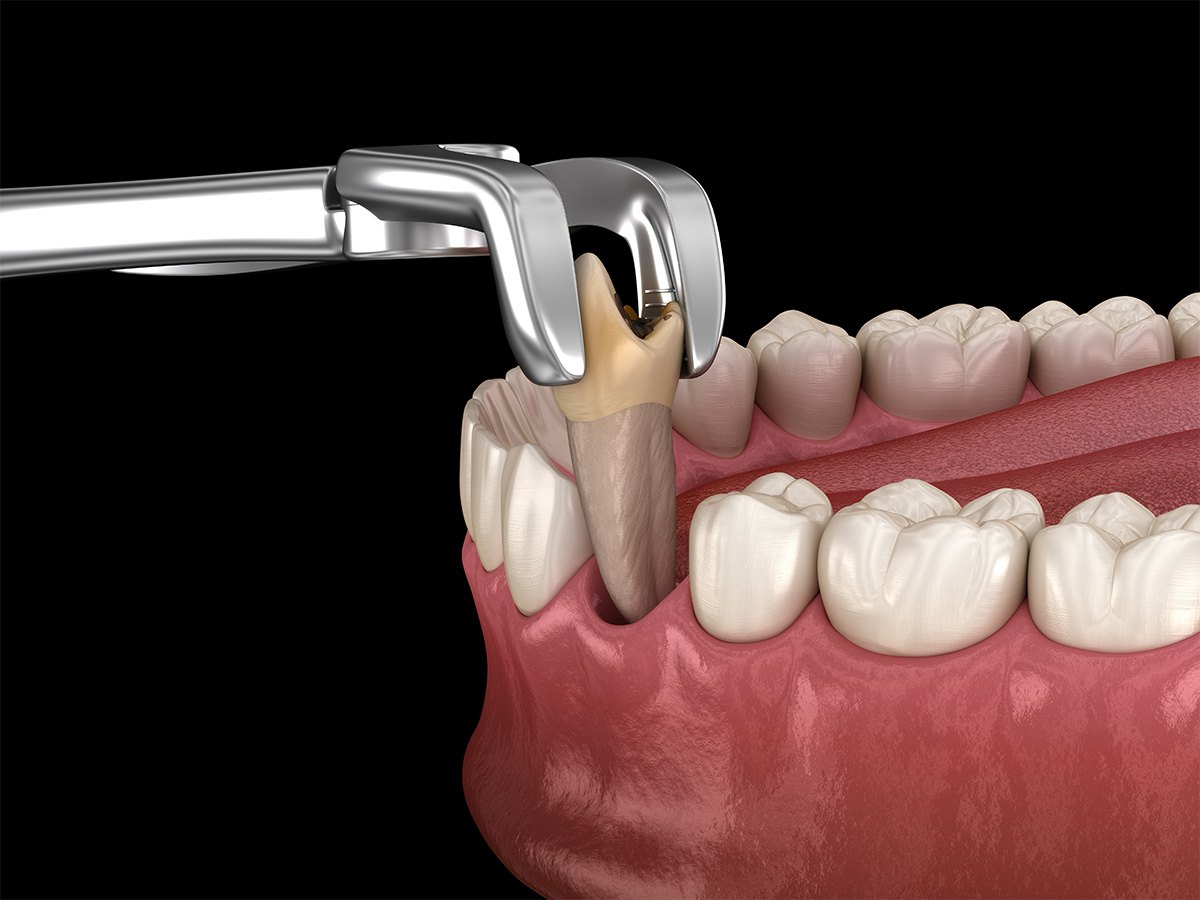
We always try to save a natural tooth first. Sometimes, though, taking a tooth out is the healthier choice — to stop an infection spreading, relieve pain, or make room for other treatment. This guide explains when that happens, what the day involves, and how to recover well.
Why a Tooth Might Need to Come Out
- Decay or infection that can't be repaired, even with a root canal and a crown
- A crack or break that runs below the gum line or down the root
- Advanced gum disease that has loosened the tooth in the bone
- Wisdom teeth that are impacted, only partly through, or causing infection
- Crowding, where a tooth is removed to make space for orthodontic treatment
Simple and Surgical Extractions
A simple extraction removes a tooth that is fully visible. The tooth is numbed, gently loosened, and lifted out.
A surgical extraction is used when a tooth is broken at the gum line, has curved roots, or hasn't fully come through — as wisdom teeth often haven't. A small opening is made in the gum, and the tooth may be taken out in sections. Stitches are sometimes placed afterwards.
Wisdom Teeth
Wisdom teeth are the last molars to come through, usually in the late teens or twenties, and there often isn't room for them. That can lead to:
- A tooth stuck under the gum or against the tooth in front (impacted)
- A tooth partly through, with a flap of gum that traps food and gets infected
- Decay in the wisdom tooth or the molar next to it, because the area is hard to clean
Not every wisdom tooth needs removing. We watch them on X-rays and recommend taking them out when they cause problems or clearly will. See tooth extractions for how we remove them.
Other Oral Surgery We Provide
- Bone grafting — rebuilding bone where it has shrunk, often to prepare for an implant
- Implant placement — see are dental implants right for you?
- Urgent extractions for a tooth causing severe pain — see same-day extractions
Before Your Appointment
- Tell us about your health conditions and every medicine you take, especially blood thinners
- If you're anxious, ask about sedation
- If you're having sedation, follow the eating and drinking instructions you're given and arrange a ride home
After an Extraction
The first 24 hours
- Bite firmly on the gauze to help a blood clot form in the socket
- Don't rinse, spit forcefully, use a straw or smoke — all can dislodge the clot
- Hold a cold pack to your cheek, 15 minutes on and 15 off, to limit swelling
- Rest, and keep your head raised when lying down
- Stick to soft, cool foods and chew on the other side
- Take pain relief as we advise
The days after
- From the second day, rinse gently with warm salt water after meals
- Brush your other teeth as normal, taking care around the socket
- Go back to your usual foods gradually, avoiding hard or crunchy things near the socket
Dry Socket
Occasionally the blood clot comes away before the socket has healed, leaving the bone exposed. It usually shows up two to four days after the extraction as pain that gets worse instead of better, sometimes with a bad taste. It isn't dangerous, but it is painful — call us and we'll clean and dress the socket.
Call us if
bleeding hasn't slowed after an hour of firm pressure on gauze, swelling is still getting worse after the third day, or you develop a fever.
If you have trouble breathing or swallowing, or swelling spreading toward your eye or neck, call 911 or go to the nearest emergency room.
Replacing the Tooth
Unless it's a wisdom tooth, a missing tooth is usually worth replacing, so the teeth around it don't drift and the bone doesn't shrink. If you're considering an implant, mention it before the extraction. Our guide to replacing missing teeth compares implants, bridges and dentures.
Common Questions
Does having a tooth out hurt?
The area is numbed first, so you feel pressure rather than pain during the extraction, and sedation is available if you are anxious. Soreness afterwards is normal for a few days and is usually managed with the pain relief we recommend.
How long does recovery take?
Most people feel much better within two or three days after a simple extraction. The gum closes over in one to two weeks, and the bone underneath takes longer. Surgical extractions and wisdom teeth usually take a little longer to settle.
Do all wisdom teeth need to come out?
No. Wisdom teeth that come in fully, sit straight and can be cleaned properly can stay. We check them on X-rays and recommend removal when they are causing problems, or are clearly heading that way.
When can I eat normally again?
Stick to soft, cool foods for the first day or two and chew on the other side. Most people are back to their usual foods within about a week, avoiding anything hard, crunchy or very hot near the socket until it has healed.
Should I replace a tooth that's been taken out?
Usually, if it's not a wisdom tooth. A gap lets neighboring teeth drift and the bone shrink. If you are thinking about an implant later, tell us before the extraction, because it can affect how we plan it.
A tooth that's painful or loose?
Book an exam and we'll tell you whether it can be saved, and what happens if it can't.

About Dr. Nagarjuna Meesa
Owner & Dentist at Smile Makers of Georgia
Dr. Nagarjuna Meesa is the owner and lead dentist at Smile Makers of Georgia. A graduate of New York University's College of Dentistry and a member of the Academy of General Dentistry, he provides restorative, cosmetic and family dentistry in Alpharetta.