
Dental Emergencies: What to Do Right Away
What counts as an emergency, first steps before you reach us, and when to go to the hospital
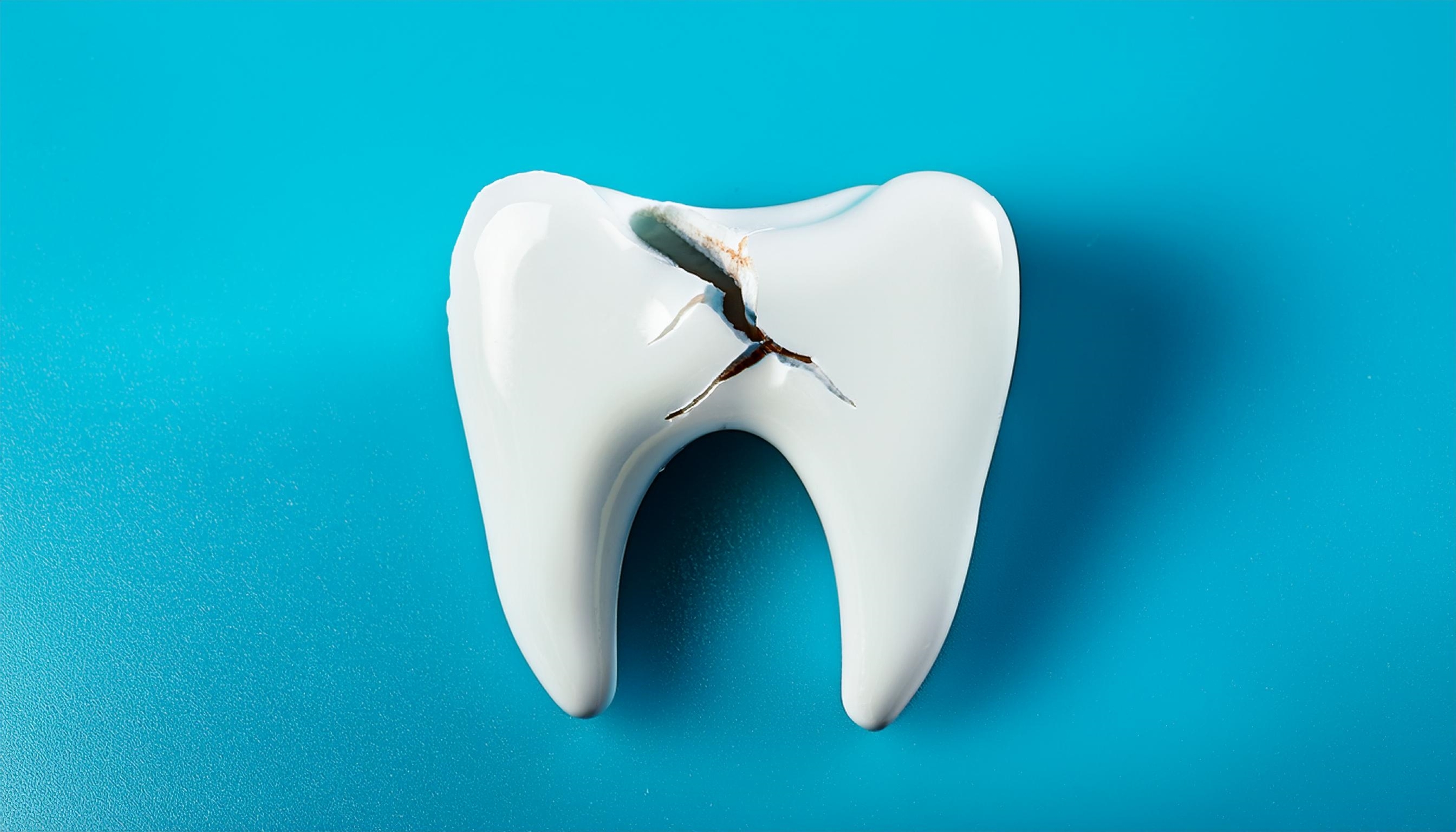
Dental emergencies rarely happen at a convenient time. What you do in the first hour — especially with a knocked-out tooth — can make a real difference to whether a tooth can be saved. This guide explains what counts as an emergency, what to do before you reach us, and when to go to the hospital instead.
Call 911 or go to the emergency room if
- swelling in your face or neck is making it hard to breathe or swallow
- swelling is spreading toward your eye or down your neck, or you have a high fever with facial swelling
- bleeding from your mouth hasn't slowed after 15 minutes of firm pressure
- you've had a blow to the head, may have broken your jaw, or lost consciousness
The hospital deals with these first. We can treat the tooth once you're safe.
Is It a Dental Emergency?
Call us the same day for:
- A severe toothache, or pain that keeps you awake
- An adult tooth that has been knocked out, loosened or pushed out of place
- A broken or cracked tooth that hurts or has a sharp edge
- Swelling of the gum or face, a pimple-like bump on the gum, or a bad taste that won't go away — all signs of infection
- Bleeding after an extraction that won't stop
- A deep cut to the lip, tongue or cheek
These can usually wait for the next available appointment, but call anyway so we can tell you how soon to come in:
- A dull ache that comes and goes
- A small chip with no pain
- A lost filling or crown that doesn't hurt
- A broken retainer, night guard or denture
What to Do Right Now
Toothache
- Rinse with warm water and floss gently around the tooth to remove any trapped food
- Hold a cold compress against your cheek, 15 minutes on and 15 minutes off
- Take over-the-counter pain relief as directed on the label, if it's safe for you
- Don't put aspirin or painkillers directly on the gum — they can burn it
- Don't put heat on a swollen face
A knocked-out adult tooth
Act fast. A tooth is most likely to be saved if it is back in its socket within an hour.
- Pick the tooth up by the crown — the white part you normally see — not the root
- If it's dirty, rinse it briefly in milk or water. Don't scrub it or remove any tissue attached to it
- If you can, push it gently back into the socket, facing the right way, and bite on a clean cloth to hold it there
- If it won't go back, keep it in a small cup of milk. An adult can also hold it inside the cheek, but never give a loose tooth to a young child to hold in the mouth. Don't keep it in plain water or let it dry out
- Call us and come straight in
A knocked-out baby tooth shouldn't be put back, because that can damage the adult tooth developing underneath. Call us so we can check your child's mouth.
A chipped or broken tooth
- Rinse your mouth with warm water and keep any broken pieces in milk or a clean container
- Use a cold compress if your lip or cheek is swelling
- Cover a sharp edge with sugar-free gum or dental wax from a pharmacy
- Chew on the other side and avoid very hot or cold food and drink
A tooth knocked loose or out of position
- Don't try to force it back into place or wiggle it
- Bite down gently to hold it where it is
- Call us the same day
A lost crown or filling
- Keep the crown and bring it with you
- Temporary dental cement from a pharmacy can hold a crown in place for a short time. Never use household glue
- Chew on the other side
- If the tooth hurts, call us the same day
If the crown and the tooth underneath are in good condition, we can often cement it back on. If not, see our guide to fillings, crowns and bridges.
Swelling or a dental abscess
- Rinse gently with warm salt water
- Hold a cold compress against the outside of your face
- Don't try to pop or drain a bump on the gum
- Call us the same day. An infection doesn't clear up on its own, even if the pain eases
Cuts to the lips, tongue or cheek
- Rinse gently, then press clean gauze or a cloth firmly on the area for 15 minutes
- Use a cold compress to limit swelling
- Go to the emergency room if the bleeding won't stop or the cut is deep or gaping
Bleeding after an extraction
- Bite firmly on folded gauze for 30 to 45 minutes without checking it. A damp black tea bag can also help
- Sit upright, and don't rinse, spit or use a straw
- Call us if the bleeding hasn't slowed
What Happens When You Come In
Call us first at (770) 520-4013. We prioritize same-day visits for dental emergencies, and calling ahead lets us get ready for you.
- We find out what happened and examine the area
- We take X-rays to see what's going on below the surface
- Relieving your pain comes first
- We explain your options — for example a filling or crown for a broken tooth, a root canal for an infected nerve, re-cementing a crown, or an extraction when a tooth can't be saved
- Where we can, we treat the problem at the same visit. If not, we make you comfortable and book the follow-up
Before any treatment, we'll tell you what it's expected to cost. We work with most major insurance plans and offer payment options — see payment and insurance and our guide to making dental care more affordable. More about the service itself is on our emergency dental care page.
Preventing Dental Emergencies
- Wear a mouthguard for contact sports
- Don't chew ice, hard candy, popcorn kernels or pens
- Don't use your teeth to open packaging
- If you grind or clench your teeth, ask about a night guard — see our guide to TMJ disorders
- Keep up regular checkups, where cracks, deep decay and worn fillings can be found before they turn into an emergency
- Don't ignore a tooth that has started to hurt or feel sensitive
Common Questions
Can I just walk in with a dental emergency?
Please call before you come. We prioritize same-day emergency visits, and calling ahead lets us prepare so we can see you as quickly as possible.
Should I go to the ER for a toothache?
Go to the emergency room if you have swelling that affects your breathing or swallowing, swelling spreading toward your eye or neck, a high fever, or bleeding you can't stop. For most toothaches, though, a hospital can only manage the pain and infection for a while; the tooth itself needs a dentist.
Can a tooth infection go away on its own?
No. The pain may fade — sometimes because the nerve inside the tooth has died — but the infection stays and can spread. An infected tooth needs treatment, usually a root canal or an extraction.
How quickly do I need to act if a tooth is knocked out?
Straight away. An adult tooth is most likely to be saved if it is back in its socket within an hour, so put it back if you can, or keep it in milk, and call us on the way.
What should I do if my crown falls off?
Keep the crown, avoid chewing on that side, and call us. Temporary dental cement from a pharmacy can hold it for a short time, but never use household glue. If the crown and the tooth underneath are in good condition, it can often be cemented back on.
In pain now?
Call us at (770) 520-4013 and we'll tell you how soon we can see you.

About Dr. Nagarjuna Meesa
Owner & Dentist at Smile Makers of Georgia
Dr. Nagarjuna Meesa is the owner and lead dentist at Smile Makers of Georgia. A graduate of New York University's College of Dentistry and a member of the Academy of General Dentistry, he provides restorative, cosmetic and family dentistry in Alpharetta.